By Park Slope Family Dental
Invisalign clear aligners: how treatment works
- At Park Slope Family Dental, Invisalign and Spark are clear-aligner options that use custom removable appliances to gradually move teeth.
- Adults and adolescents may be considered for aligner treatment, but candidacy requires an examination by a licensed dental professional.
- Digital scans alone may not show structures below the gumline, so radiographs or other imaging may be appropriate when clinically indicated.
- Treatment involves ongoing monitoring and periodic in-practice visits, even when remote check-ins are available.
- Patients and parents should compare the evaluation, treatment plan, monitoring, hygiene guidance, and convenience of care rather than assume one brand suits everyone.
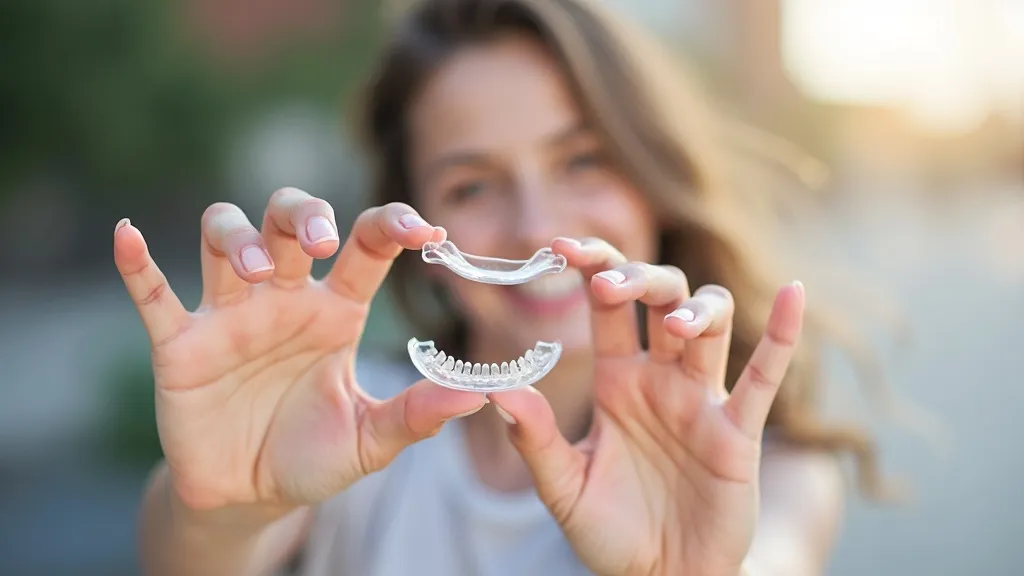
Invisalign clear aligners are custom clear plastic trays that gradually move teeth and can be removed. They require an in-person exam because scans and photos alone cannot show everything below the gumline.
For many teens and adults, clear aligners are discreet and often make brushing and flossing easier than fixed braces. Even with remote check-ins, treatment still requires regular monitoring and occasional in-office visits.
Spark and Invisalign: what a fair comparison can show
Spark Clear Aligners and Invisalign are both discreet clear-aligner options, but the right choice depends on your exam, goals, and treatment plan.
| Criterion | Spark Clear Aligners | Invisalign |
|---|---|---|
| Type | Clear, removable orthodontic appliance | Clear, removable orthodontic appliance |
| What the treatment does | Uses a series of custom-made clear plastic appliances to move teeth gradually | Can be used for adults and adolescents when a licensed dentist or orthodontist confirms candidacy |
| Appearance | Discreet | Discreet |
| Cleaning and eating | Removable, so brushing and flossing are usually easier than with fixed braces | Removable, so brushing and flossing are usually easier than with fixed braces |
| Monitoring | Needs ongoing monitoring and periodic in-practice visits | Needs candidacy review and an individualized monitoring plan |
| Brand-level claims | Material, protocol, and suitability still need case-by-case verification | Suitability still needs case-by-case verification |
What you can compare immediately is the treatment style and day-to-day convenience. What you cannot compare honestly from marketing alone is which brand will work better for your bite, crowding, or compliance.
Use the same decision criteria for both Spark Clear Aligners and Invisalign.
- Candidacy: You need an in-person evaluation; digital scans alone cannot show structures below the gumline.
- Treatment plan: Ask how your teeth will be moved and what the planned aligner process will look like.
- Monitoring: Clear aligner treatment still needs periodic in-practice visits, even when remote check-ins are used.
- Hygiene: Removable aligners can make brushing and flossing easier, but you still need consistent daily care.
- Communication: Choose the option whose instructions you can follow reliably, especially if the patient is a teen.
For children, teens, and adults, the main question is not which brand sounds better. It is which plan fits the individual exam, comfort needs, and follow-through.
Candidacy and treatment expectations for teens and adults
At Park Slope Family Dental in Brooklyn, adults and adolescents can be candidates for Invisalign or other clear aligners, but suitability depends on an in-person exam and the bite you actually have.
Clear aligners are removable, custom-made plastic trays that gradually move teeth. That makes them appealing if you want a discreet option and easier brushing and flossing than fixed braces.
For a parent comparing treatment for a child or teen, the main question is not only appearance. It is whether your child can wear the trays as directed and keep up with cleaning and follow-up visits.
Treatment planning usually starts with an evaluation that may include radiographs or other imaging, because digital scans alone cannot show structures below the gumline. Ongoing monitoring is still needed during treatment, even when remote check-ins are used.
Crowding, bite issues, and growth changes can affect timing, so no one can promise an exact schedule from the keyword alone. The practical decision is whether your family is comfortable with regular wear, periodic visits, and steady home care.
For adolescents, gingivitis can be more likely during aligner treatment than in adults in some research settings, so brushing, flossing, and routine periodontal care matter. That finding does not mean every teen will have that problem.
Clear aligner care is part of a multispecialty dental setting that can include pediatric dentistry, restorative dentistry, orthodontic care, and advanced technology for new patients.
Evaluation and technology: questions to ask before choosing
Start with a full in-person examination before choosing Invisalign or Spark Clear Aligners. Ask whether the dentist or orthodontist will review your bite, crowding, spacing, and gum health, then explain whether radiographs or other imaging are needed. Digital scans help planning, but they cannot show what is below the gumline. For children, teens, and adults in Brooklyn, that exam is what determines whether clear aligners are appropriate or whether another orthodontic option fits better. Bring the questions that affect your decision:
- What findings make me a candidate for clear aligners?
- Will you need X-rays or other imaging in my case?
- What alternatives should I consider if aligners are not a fit?
- How often will I need in-practice monitoring during treatment?
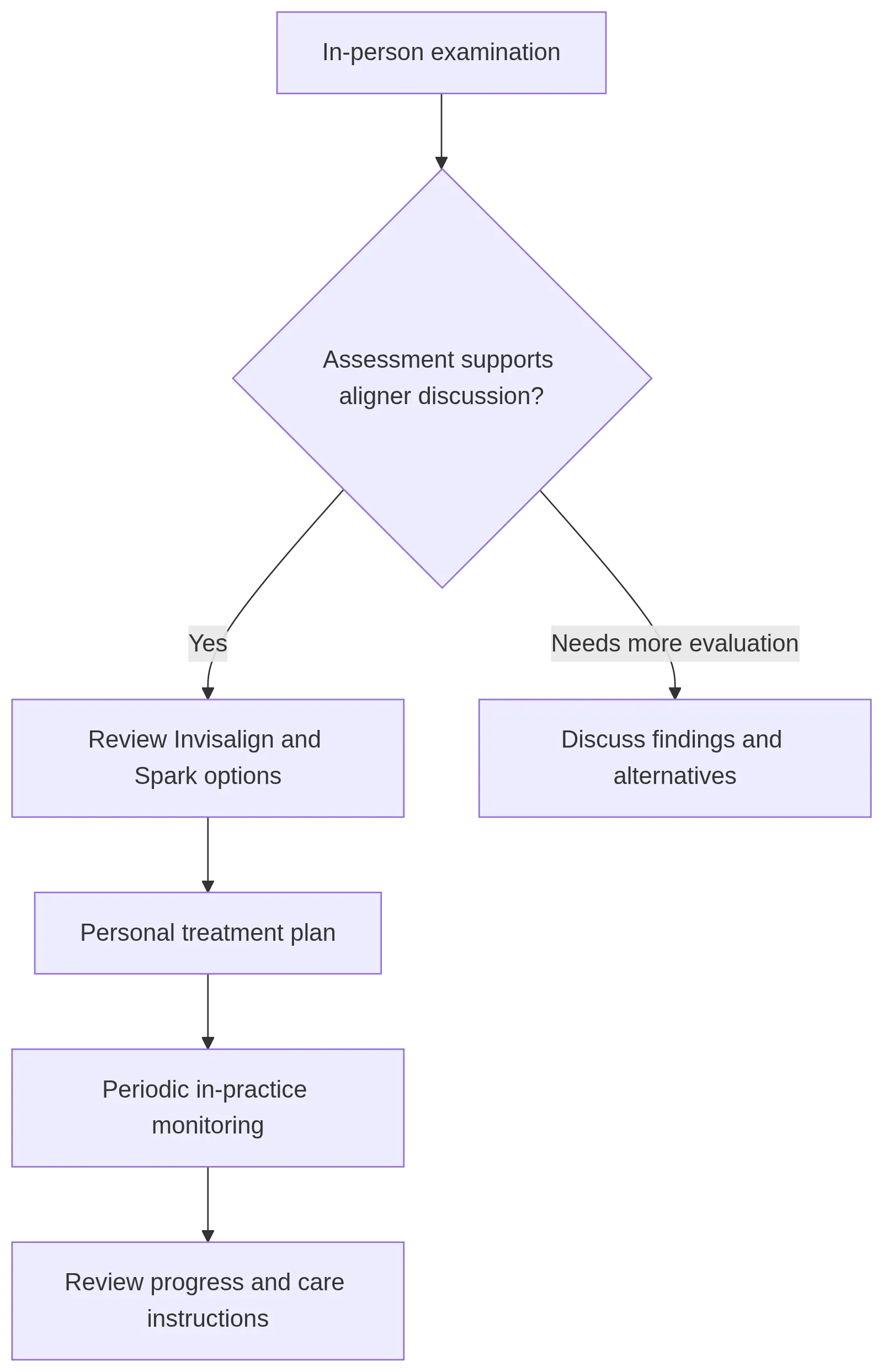
Advanced technology can improve assessment and planning, but it does not guarantee suitability or results. For Brooklyn patients comparing Spark Clear Aligners with Invisalign, digital records can make tooth movement, fit, and treatment steps easier to understand. Scans and software support the plan, but they do not replace the clinician’s evaluation or periodic visits. Teens may also need closer gum-health monitoring during aligner treatment because adolescent gingivitis can be more likely. Use technology as part of the decision, not the decision itself.
Park Slope consultation: turning comparison into a plan
Start by bringing the questions that shape a clear-aligner plan for your child, teen, or yourself.
- What are the main goals: straighter front teeth, bite changes, or crowding relief?
- Are Spark Clear Aligners and Invisalign both reasonable for this case?
- What will treatment require day to day, including wear time, cleaning, and storage?
- How often will monitoring visits happen, and will remote check-ins be used?
- What dental history matters here, such as gum health, restorations, or missing teeth?
- If this is for a teen, what habits or schedule issues could affect consistency?
Clear aligner treatment is removable and usually depends on consistent wear and follow-up visits. That makes the consultation useful for comparing comfort, convenience, and the amount of oversight your case may need. A digital scan helps planning, but it does not replace the exam that looks below the gumline.
Start with a full in-person examination at Park Slope Family Dental before choosing Invisalign or Spark Clear Aligners. Ask whether the dentist or orthodontist will review your bite, crowding, spacing, and gum health, then explain whether radiographs or other imaging are needed. For children, teens, and adults in Brooklyn, that exam is what determines whether clear aligners are appropriate or whether another orthodontic option fits better. Bring the questions that affect your decision:
- What findings make me a candidate for clear aligners?
- Will you need X-rays or other imaging in my case?
- What alternatives should I consider if aligners are not a fit?
- How often will I need in-practice monitoring during treatment?
Leave a Reply