
Breast Implant Terms Name Separate Attributes, Not One Best Choice
A proposed implant name can combine several descriptions, so begin by separating the terms before treating them as a single choice. FDA identifies saline-filled and silicone gel-filled implants as the two breast implant fill categories approved for sale in the United States, and notes that both use a silicone outer shell.
FDA also describes differences in implant size, shell thickness, shell surface texture, and shape. Record those characteristics in separate lines rather than assuming that one term explains the entire device. The purpose of this decoder is to identify which device attribute a term names and which questions still require a discussion of the specific implant, its current labeling, and the individual circumstances of the person considering it.
Use the note as a terminology check: write the exact term, classify the attribute it appears to name, and leave unresolved any safety, monitoring, or individualized planning question that the term cannot answer by itself.
A descriptor can explain one feature of a device, but it cannot forecast your personal appearance, comfort, recovery, complication experience, or long-term satisfaction. A personalized discussion should connect fill, shape, surface, size and base width, and profile with your goals, anatomy, and the current information for the specific device under consideration.
Translate Fill Terms Without Treating Them as a Complete Device Choice
For the consultation note, begin by translating the fill term into a material description, then leave separate spaces for shape, surface, dimensions, and follow-up. The fill entry answers only what the shell contains; it does not complete the device description.
A saline implant has a silicone shell filled with sterile saltwater. FDA notes that some saline implants are pre-filled and others are filled during surgery. A silicone gel-filled implant has a silicone outer shell filled with silicone gel. Either category may still have different shapes, shell surfaces, sizes, and profiles.
| Fill term to translate | Material description | U.S. augmentation indication listed by FDA | Unresolved device question to carry forward |
|---|---|---|---|
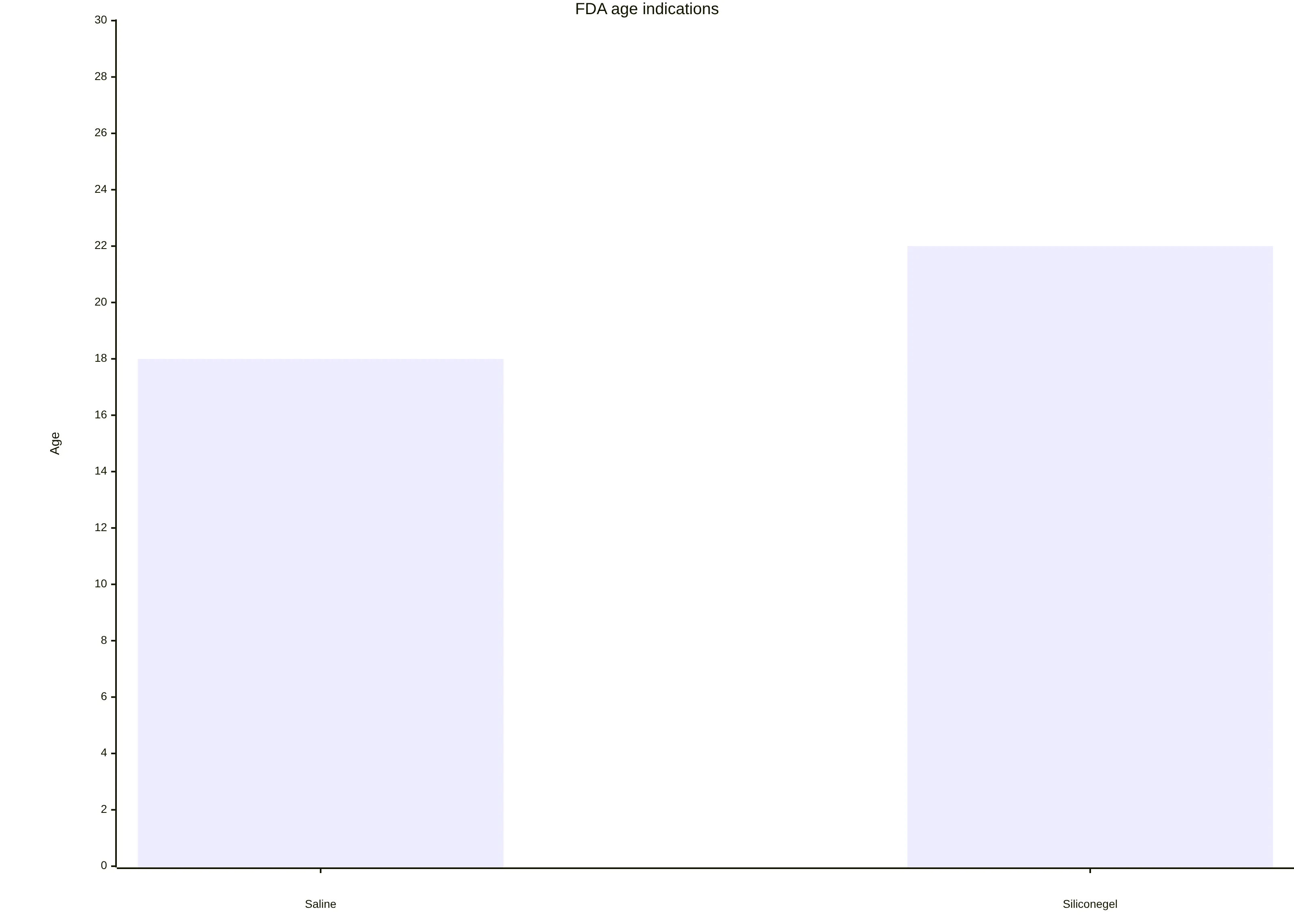
| Saline-filled | A silicone shell containing sterile saline; some are filled during surgery. | Women age 18 or older. | “How would deflation be recognized, and what would the next clinical step be?” |
| Silicone gel-filled | A silicone shell containing silicone gel. | Women age 22 or older. | “What monitoring may be recommended for rupture or other complications with this device?” |
FDA lists deflation with a visible change in breast size as a potential complication of saline-filled implants. It also lists silent rupture—rupture without symptoms—as a potential complication of silicone gel-filled implants. That distinction is a reason to ask about detection and follow-up; it is not, by itself, a rule for choosing one fill category over the other.
Bring these fill-specific questions to a consultation:
- Which fill category is being discussed, and why is it relevant to my stated priorities and anatomy?
- What changes could be noticeable with this device, and what changes might require imaging or a clinical examination to assess?
- If silicone gel is proposed, what MRI or ultrasound monitoring might the clinician recommend for rupture and other complications?
- Which current manufacturer patient labeling applies to the exact implant under discussion?
The final question matters because manufacturer materials address the specific device’s materials, characteristics, indications, risks, warnings, precautions, and approval studies.
Build Separate Attribute Lines for Every Other Implant Term
Use this decoder as a classification record, not as a ranking of implant options. Put each term in the attribute column it actually describes, then write the question that remains open.
| Term to translate | Attribute it names | What the approved information supports | Question that remains open |
|---|---|---|---|
| Gummy bear | Gel consistency within the silicone category | A plastic-surgery source describes this term as a silicone-implant subset with thicker gel consistency, described as firmer and shape-maintaining. | What other device characteristics and individual factors belong in the discussion? |
| Round | Shape | ASPS states that round implants tend to appear fuller than form-stable implants. | How does the proposed shape relate to the person’s goals and anatomy? |
| Form-stable | Shape-related description | The term belongs in the shape discussion rather than being treated as a separate fill category. | What does the specific device labeling say about its characteristics? |
| Smooth or textured | Shell surface | FDA describes smooth and textured shell options in both saline and silicone gel categories. | What current safety and follow-up information applies to the proposed surface and model? |
| Size or volume | Dimension | Size is one device characteristic recorded separately from fill, shape, and surface. | What does the clinician need to assess before discussing dimensions for an individual? |
| Base width | Dimension | Base width is a device dimension that can affect the relationship between volume and projection. | How does the proposed width relate to the person’s chest characteristics? |
| Profile | Dimension | Profile describes forward projection from the chest wall when standing. | Which other dimensions and measurements must be considered alongside it? |
A term can therefore be accurate without being complete. The useful next step is not to rank the rows, but to ask which row the clinician is addressing and which unresolved question still needs an explanation.
Size and profile are often blended together in casual conversation, but they answer different questions. Profile concerns forward projection from the chest wall. For implants with the same volume, different base widths can produce different projection; the cited plastic-surgery source says a smaller base width provides greater projection than a wider one.
Use a separate note for each dimension before comparing them. Ask the clinician to identify the proposed volume, base width, and profile, then record which appearance or planning question each measurement is meant to address and which question it cannot answer alone.
Use an Unresolved Column for What Device Terms Cannot Settle
After classifying the terms, use a three-pass decision path for the unresolved column:
- Name the attribute. State whether the term concerns fill, gel consistency, shape, shell surface, size, base width, or profile.
- State the limit. Record what the term does not establish about an individual plan or result.
- Route the question. Send device-specific labeling questions to the current manufacturer and FDA information, and send questions about anatomy, goals, and the proposed plan to the qualified clinician.
This path keeps a device description separate from an individualized recommendation. It also prevents a familiar label from silently becoming a prediction about appearance, comfort, recovery, complications, or long-term satisfaction. Complete the unresolved column only with questions that the relevant device information or consultation can address.
Instead of asking only, “Which implant is best?” translate your preference into questions a clinician can evaluate:
- What kind of fullness, projection, or contour am I trying to describe?
- Which aspects of my chest characteristics and existing breast tissue affect the options being discussed?
- Is the proposed device being chosen for fill, shape, dimensions, surface, or a combination of these factors?
- Which part of the expected result remains uncertain even after measurements and planning?
A clear answer should distinguish the clinician’s reasoning from a promise about the result. If the explanation only repeats a device label, ask which actual attribute is meant and how it relates to your circumstances.
Why Shell Surface Requires a Separate Safety Discussion
Shell surface deserves its own conversation. Smooth and textured describe the outside surface of the implant shell; they do not tell you whether an implant is saline-filled or silicone gel-filled. Both fill categories can have smooth or textured shell options.
In the consultation note, give surface its own safety line rather than attaching its implications to an appearance label. FDA describes breast implant-associated anaplastic large cell lymphoma, or BIA-ALCL, as a T-cell lymphoma associated with breast implants; it is not breast cancer. ASPS states that BIA-ALCL occurs most frequently in people with textured-surface breast implants. Discuss this in the context of the current device information and the particular implant being considered.
For people who have implants, FDA identifies persistent swelling, a mass, or pain near an implant as symptoms that warrant discussion with a health care provider for further evaluation. Do not use a terminology guide to interpret symptoms yourself.
FDA also says reported cases of squamous cell carcinoma and various lymphomas in the capsule around breast implants may be rare, and recommends that clinicians discuss these reports with people considering implants. These reports are separate from BIA-ALCL and belong in an informed device discussion.
When surface is part of the proposal, ask:
- Is the shell smooth or textured?
- Why is that surface being discussed for my plan?
- What current device-specific safety information applies to this surface and model?
- What are the relevant BIA-ALCL questions for this device?
- Where can I review the current patient labeling before deciding?
Device labeling can change as FDA learns new safety information. Confirm the current labeling for the exact implant, rather than relying on an older article, a broad category label, or a past consultation.
Add a Responsibility Line for Future Care
Complete the decoder with a responsibility line for what follows surgery, so the device note records ongoing care as a separate discussion rather than treating it as part of the implant name. FDA states that breast implants are not lifetime devices. Longer implantation is associated with a greater likelihood of removal or replacement and of complications or adverse outcomes.
Potential complications listed by FDA include capsular contracture, additional surgery or removal, rupture or deflation, pain, changes in nipple or breast sensation, infection, asymmetry, and dissatisfaction with size or appearance. FDA defines capsular contracture as tightening of the tissue capsule around an implant that can cause firmness or hardening and may squeeze the implant when severe. These possibilities do not predict what will happen to an individual, but they are material considerations in any device discussion.
Follow-up may differ by device. For silicone gel-filled implants, a health care provider may recommend regular MRI or ultrasound examinations to screen for rupture and other complications. Ask what monitoring the clinician recommends for the proposed device and what changes should prompt contact.
FDA notes reports of symptoms sometimes called breast implant illness, while stating that the symptoms and their causes are poorly understood and continue to be investigated. Bring health concerns to an appropriate clinician rather than assuming a cause from general information.
Continue breast-health screening as directed by the appropriate clinician, and tell the mammography facility that you have implants when scheduling. Keep the device manufacturer and model information for future reference; it may be included on a patient device card or in operative records.
Before deciding, add these responsibility questions to the same attribute note and mark any answer that still needs clarification:
- What is the exact manufacturer, model, fill category, shell surface, shape, volume, base width, and profile being discussed?
- What labeling and patient materials apply to that exact device?
- What monitoring may be recommended, especially if silicone gel is proposed?
- What complications and possible future procedures should I understand before proceeding?
- How should I continue routine breast-health screening, and what should the mammography facility know?
- Where will I keep my device card or operative information?
This checklist does not decide whether an implant is appropriate. Its immediate use is to help you spot which parts of the plan still need a specific explanation.
Carry the Completed Attribute Note Into the Consultation
Bring the completed attribute note to a consultation rather than comparing labels in isolation. For every proposed device, move through the same four fields:
- What does this term describe? Is it fill, gel consistency, shape, shell surface, volume, base width, or profile?
- What does it not predict? Ask the clinician to separate a device fact from an individualized expectation.
- Why is it being considered for me? Request an explanation that connects the proposed characteristics with your anatomy and stated priorities.
- What current information applies? Review current manufacturer patient labeling and FDA safety-and-effectiveness information for the specific device, then bring unresolved questions back to the surgeon.
In the United States, FDA restrictions require that device risk-and-benefit information specified in approved labeling be provided before breast implant use. Take time to read it. A device name is only the start of an informed discussion; the important next step is understanding the full, current plan and its longer-term responsibilities.
For adults who want to discuss implant characteristics in relation to their own anatomy, goals, and circumstances, an individualized conversation can clarify what general terminology cannot.
Frequently Asked Questions About Implant Terms and Device Information
What is the difference between saline and silicone gel implants?
Saline implants have a silicone shell filled with sterile saltwater, while silicone gel implants have a silicone shell filled with silicone gel. They are different fill categories, but each can still vary by shape, surface, size, base width, and profile.
Does a device label tell you how an implant will look on a specific person?
No. A label can describe the device, but it cannot replace an individualized measurement- and goals-based discussion.
How should shell surface be part of the consultation?
Ask whether the shell is smooth or textured and why that surface is being considered. Surface is separate from fill, and it deserves its own safety discussion, including current device-specific information and any relevant follow-up questions.
What should you ask about monitoring after silicone gel implants?
Ask what follow-up the clinician recommends for rupture or other complications, including whether MRI or ultrasound may be suggested. Also confirm how any changes in symptoms or breast appearance should be reported.
What records should you keep after implant surgery?
Keep the manufacturer and model information, such as the patient device card or operative record, and save the current labeling and safety information for the specific implant. That makes later follow-up and device questions easier to address.
Do implant discussions replace routine breast-health screening?
No. Continue screening as directed by the appropriate clinician, and tell the mammography facility that you have breast implants when scheduling. Implant planning and routine screening should stay separate but coordinated.
Leave a Reply