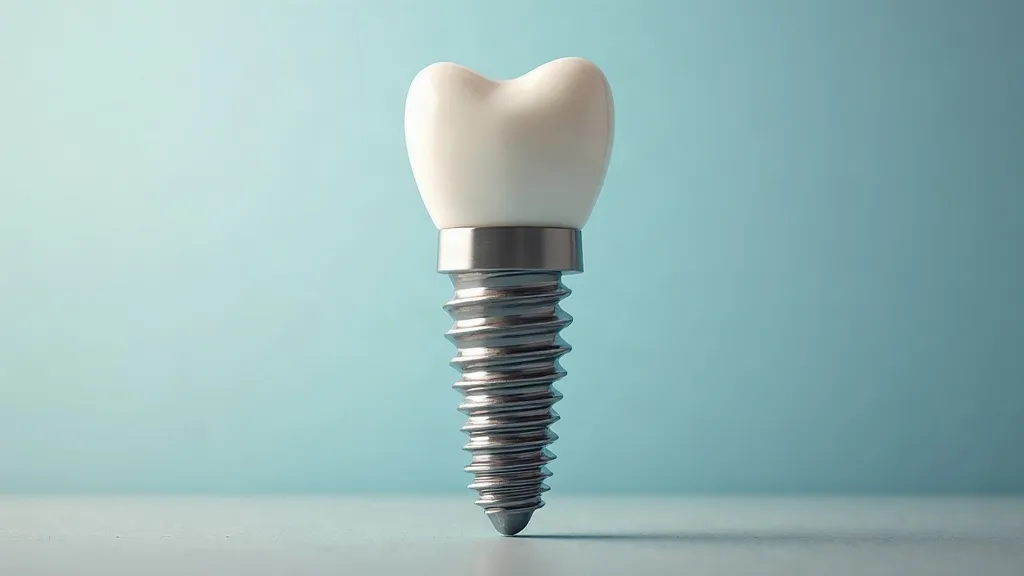
Start with the care decision you need to make
If you are searching for oral surgery dental implants near me in Plymouth, the first decision is not simply which office is closest. You need to understand who will evaluate your mouth, who would place an implant if that is part of the plan, who would design and attach the replacement tooth or teeth, and how follow-up care would be organized.
A local implant plan may be handled by one practice, or it may involve coordinated care with another dental provider or an oral surgeon. Neither arrangement answers the suitability question by itself. Your consultation should make the roles, treatment stages, referral boundaries, alternatives, costs, and follow-up responsibilities clear.
Use this order when comparing care:
- Start with roles: Ask whether the practice evaluates implant cases, performs placement, restores implants, or refers part of the treatment elsewhere.
- Then examine the plan: Ask what the evaluation includes, whether additional preparation may be considered, and which restoration is being discussed.
- Next map the handoffs: Find out who will provide records, monitor healing, place the final restoration, and handle concerns after treatment.
- Finally compare the full commitment: Review alternatives, treatment time, expected visits, itemized costs, risks, aftercare, and referral arrangements.
Implant treatment is staged. The practical goal is to know who is responsible at every stage before you schedule treatment.
Your first step is to request an implant consultation rather than choosing a procedure from a search result. Bring a written list of questions and ask for an explanation you can compare with another provider if needed. A nearby practice can be convenient, but the provider’s answers and the completeness of the plan should guide your next decision.
Verify who evaluates, places, and restores implants
The division of implant care matters because placement and restoration are different stages. Ask the practice to identify the clinician responsible for each part instead of assuming that the person discussing replacement teeth will perform implant surgery.
Use these questions during your first call or consultation:
- Do you evaluate patients for dental-implant treatment?
- Who would place the implant, and is that clinician part of this practice or an outside referral? What training, experience, and credentials should you verify for the clinician handling each role?
- Who would design and place the final crown, bridge, denture, or other restoration?
- If an oral surgeon becomes part of the plan, who coordinates the referral and sends the treatment records?
- Who examines the implant and surrounding tissues after placement and restoration?
- Who should you contact if pain, swelling, drainage, mobility, or another concern develops?
Implant treatment may require many dental visits and may be performed in stages. If more than one provider is involved, ask how information and responsibility move from one stage to the next.
One-practice care can mean that the evaluation, restorative planning, and later maintenance are organized through the same office, but you still need to ask who performs each clinical task. Coordinated care can mean that one provider places the implant while another provider completes the restoration or monitors the result. In that arrangement, ask when you return to the restorative provider, which records travel with you, and who handles follow-up questions.
Do not treat “in one office” or “oral surgeon referral” as a complete description of care. Treat each phrase as a prompt to clarify the clinician’s role, the timing of the handoff, and the plan for follow-up.
Before scheduling surgery, ask for the proposed sequence in plain language: evaluation, any preparation, placement, healing, attachment of the connector, final restoration, and maintenance. If the practice cannot explain which provider owns each stage, pause and request that clarification before making a treatment decision.

Use the consultation to understand your treatment needs
An implant consultation may include a review of your medical and dental history, advanced imaging, and treatment planning with digital tools. The purpose of these steps is to give the provider information about your mouth, health history, available bone, and the replacement being considered.
Ask what the evaluation is examining and how each finding affects the proposed plan. You can ask:
- What does the imaging show about the area where an implant is being considered?
- What type of restoration is being planned: a crown, bridge, denture, or another option?
- Is there a condition that should be treated before implant placement is considered?
- What alternatives remain available if the proposed plan changes?
- Which parts of the plan are certain, and which depend on healing or additional findings?
A consultation gives you a treatment discussion to evaluate. It does not let you determine your own suitability from a checklist.
Bone condition can affect the sequence. Whether bone grafting is appropriate depends on the location and extent of bone loss, its cause, your overall health, and the proposed restoration. Significant bone loss may lead to consideration of additional treatment before implant placement; a graft can sometimes rebuild deficient bone and may add a healing stage.
Ask whether preparation is part of the proposed plan, why it is being considered, how it changes the sequence, and which provider would perform it. Do not assume that bone loss automatically rules out every replacement option, and do not assume that grafting belongs in every implant plan.
The timing discussion should include healing, not only the day of placement. Osseointegration is the healing phase in which an implant fuses with the jawbone for stability, and it lasts 3 to 6 months. If grafting is included, an added healing stage may affect the sequence.
Ask the provider to separate the expected stages from the conditions that could change them. That distinction will help you compare plans without treating a general timeline as a promise about your treatment.
Compare replacement options before accepting an implant plan
Dental implants are one tooth-replacement option. Traditional dentures, implant overdentures, and fixed implant-supported teeth are distinct options that may be discussed during planning. Compare them against the same questions rather than asking only whether an implant is available.
| Option | What the option involves | Questions to ask |
|---|---|---|
| Dental implant | A tooth-replacement option planned around an implant and a final restoration | What treatment stages, healing, maintenance, and restoration would apply to you? |
| Dental bridge | A fixed replacement that may require reshaping nearby teeth | Which nearby teeth would be involved, and how would maintenance compare? |
| Traditional denture | A removable option that can restore function but may lack stability | How would fit, stability, maintenance, and treatment time compare with the proposed implant plan? |
| Implant overdenture or fixed implant-supported teeth | Distinct supported options with different designs and care requirements | How many implants, what type of support, and what follow-up would the plan require? |
| Specialized implant option | An alternative that may be considered for significant bone loss, such as a zygomatic implant | Is this option relevant to your bone condition, and which clinician would provide it? |
When comparing options, consider durability, comfort, maintenance, and the effect on your overall oral health. Ask the provider to explain the trade-offs in terms that match your daily needs.
Published cost examples also show why a headline price is not enough. Aspen Dental lists an implant denture with two implants at $6,102 to $10,638, a single tooth implant at $2,859 to $4,597, and an implant bridge at $5,884 to $9,920; additional charges may apply for other required dentistry services, including extractions. Those figures belong to that provider’s pricing information, not to a personalized Plymouth treatment estimate.
Another estimate states that, when oral health is optimal, a single dental implant starts at just over $2,000, excluding the crown, abutment, and other necessary components. Soft-tissue grafts, bone grafts, or other enhancements can increase the overall cost. Use these examples to identify what a quote must include, not to predict your own total.
A practical comparison asks what you gain and what you take on with each option. A bridge is fixed but may involve reshaping nearby teeth. A denture is removable and may lack stability. Implant-supported options have their own placement, healing, restoration, and maintenance questions. Ask for the reasons behind the proposed choice and request an alternative plan if you want to compare more than one path.
Map the stages, providers, and follow-up care
For most patients, implant placement involves two surgical procedures: implants are placed in the jaw bone first, followed by the final bridgework or denture. During the first three to six months after surgery, implants may remain beneath the gums while bonding with the jaw bone. Temporary dentures and a soft diet may be used during this time.
After healing, abutments connect the implant to the final prosthetic crown or bridge. Once your mouth is fully healed and osseointegration is successful, the permanent crown, bridge, or snap-in denture is placed on the abutments. Ask which parts of this sequence apply to your proposed restoration and which provider handles each stage.
Typical implant treatment can span 3-9 months from first surgery to the final crown, depending on healing and whether bone grafting is needed. Treatment is performed in stages and may require many dental visits. Ask for a visit-by-visit outline that distinguishes surgery, healing checks, restoration appointments, and routine maintenance.
A timeline should also identify what happens if healing takes longer than expected or if preparation is added.
A reported success range of 95-98% applies when implants are placed by experienced clinicians and properly cared for over time. That population-level figure is not a prediction of your result. Ask what the provider means by success, what follow-up is included, and which factors could affect the plan.
After implant placement and restoration, the tissues around the implant should be examined and recorded to establish baseline conditions for long-term monitoring and maintenance. Ask who performs those checks, how often they occur, and whether the restorative provider receives the placement records and post-placement images.
The plan is complete only when it explains care after the final restoration. Ask what cleaning instructions, checkups, and contact process apply after you leave the surgical or restorative appointment.

Ask for a complete cost and referral plan
Request an itemized estimate before scheduling surgery dates. Implant costs depend on the implant type and number, preparatory procedures such as grafting, geographic location, and insurance coverage. A single dental implant is generally much less expensive than multiple implants or an implant-supported bridge.
Ask the estimate to separate:
- Examination and imaging
- Extractions or other preparation
- Grafting or possible sinus surgery
- The implant or implants
- Abutments and the final crown, bridge, or denture
- Temporary teeth or other interim care
- Follow-up visits and maintenance
- Charges from an outside oral surgeon or other referred provider
Implants in difficult-to-reach areas of the mouth might require sinus surgery, which can add to costs. Geographic location may also affect cost. A complete estimate should show which provider charges for each stage and which items could be added if the plan changes.
Ask which implant type is being discussed and why. Implant types include endosteal, subperiosteal, and zygomatic implants; the choice depends on bone condition and treatment needs. One cost discussion describes titanium as the most common and cost-effective implant material, while zirconia implants are newer. Ask whether material, design, or the proposed restoration changes the estimate or the maintenance plan.
Ask about dental insurance, financing options, and the amount you would pay before committing to dates. Coverage may affect out-of-pocket implant costs, and plan details vary. The Aspen Dental example describes a national average out-of-pocket cost per arch for new implant treatment when using an Aspen Dental Savings Plan membership; that membership is not insurance, costs $49 per year, and is available in select offices.
Use the same questions for every provider: What does the estimate include? What is excluded? Which charges belong to a referred clinician? What happens if grafting or another preparatory step is added? Ask for the answers in writing so you can compare complete plans rather than isolated starting prices.
If an oral surgeon or another provider is involved, ask when the referral occurs, who schedules that stage, who sends the images and records, and who explains the combined cost. Add those answers to your written question list. The goal is a plan that covers both the clinical handoff and the financial handoff.
Weigh expected effects, risks, and aftercare instructions
Guidance published on September 15, 2025 described most problems after implant surgery as mild and short-lived. Soreness and swelling were common in that description, while serious complications were uncommon. Ask which effects your provider expects, how long you should monitor them, and which changes require a call rather than routine observation.
Dental-implant risks include injury to nearby teeth, tissues, or jawbone; bite problems; implant looseness; infection; delayed healing; difficulty cleaning around the implant; periodontal disease; and post-surgical numbness. Ask the provider to explain which risks relate to the proposed location, procedure, restoration, and health history.
Uncontrolled diabetes may make systemic infection more likely, and smoking may make delayed healing more likely. Tell the provider about relevant health conditions and habits so the discussion reflects your circumstances. Do not treat a general risk list as an individual assessment.
Proper post-operative care, oral hygiene, and regular check-ups are essential for implant longevity. One accepted estimate states that longevity can exceed 15 years with proper maintenance. Overall implant survival was reported as exceeding 90-95% when implants were placed and cared for properly. These figures describe reported outcomes under stated conditions, not an assurance about your result.
Ask for specific instructions about cleaning, diet, activity, medications, temporary teeth, and follow-up. Also ask what should prompt a call. Tell health care providers and imaging technicians that you have dental implants before MRI or x-ray procedures.
A provider earns your confidence by explaining both the expected course and the boundaries of that course. Compare whether each provider discusses risks, aftercare, maintenance, and the possibility of referral with the same care used to explain the procedure. Choose the plan you understand well enough to follow, not the plan described with the fewest questions.
Know which implant symptoms need urgent action
Some symptoms should not wait for a routine appointment. Contact a qualified dental provider urgently if you have:
- Severe or persistent pain, especially pain that does not improve with medication and rest
- Pain that worsens with chewing, temperature changes, or pressing
- Sudden pain, swelling, tenderness, or pressure around an implant
- A persistent unpleasant taste, pus, or drainage around the gums
- A loose or mobile implant
- An abscess or localized infection with pain and swelling
Persistent unpleasant taste, pus, or drainage may indicate infection and should not be ignored. Intense pain that does not improve may indicate deep infection, an impacted wisdom tooth, or an abscess, and extraction or another surgery may be needed. Contact a dentist without delay when these symptoms occur.
A loose dental implant often signals a need for immediate dental attention. Infection around an implant that causes swelling, tenderness, or pressure warrants urgent dental care.
The appropriate response depends on the symptom and its severity, so describe exactly what you are experiencing when you contact the provider. If an oral surgeon is part of your care plan, ask whether that clinician should be contacted directly or whether the restorative practice coordinates the urgent evaluation.
The American Dental Association describes urgent dental care as management of conditions requiring immediate attention to relieve severe pain or address the risk of infection. Severe dental pain and an abscess or localized bacterial infection with pain and swelling are examples of conditions requiring urgent dental care.
With immediate implants, significant dimensional changes in the buccal wall can take place 4-12 weeks after placement. That timing is a reason to follow the planned checks and report concerning changes rather than waiting for the next routine visit.
Do not ignore drainage, worsening pain, swelling, numbness, or implant mobility, and do not postpone evaluation because a symptom began after surgery. Do not assume that a loose implant will stabilize without attention. Contact the dental provider involved in your care and follow the urgent-care direction given for your symptoms.
Bring a decision checklist to a Plymouth consultation
Use your first consultation to compare the whole care pathway, not just the replacement tooth. Bring this checklist:
- Who evaluates, places, restores, and monitors the implant, and what training, experience, and credentials should you verify for each role?
- Would an oral surgeon be involved, and how would the referral be coordinated?
- What do the history review, imaging, and treatment plan show?
- Which alternatives should you compare, including a bridge, denture, implant overdenture, or fixed implant-supported teeth?
- What are the stages, expected visits, healing conditions, and possible changes to the schedule?
- What does the itemized estimate include, and what could add to it?
- Which risks, aftercare instructions, maintenance visits, and urgent warning signs apply?
- Who should you contact after treatment if pain, drainage, swelling, numbness, or mobility develops?
A qualified dental professional must decide whether a treatment option suits your health and circumstances. Your role is to ask for a clear evaluation, understand the available choices, and decide whether the provider’s plan answers your questions.
If you are considering a Plymouth practice, contact the practice you want to evaluate and request an implant consultation. Bring your written questions, ask for the roles and referral plan in plain language, and compare the complete estimate and follow-up process with any other provider you consult. If unusual symptoms develop after treatment, seek prompt care rather than ignoring them.
What should I ask before choosing a dental-implant provider?
Should an oral surgeon do oral surgery dental implants near me?
Not every implant plan requires the same type of provider. Ask who evaluates your case, who would place the implant, who would provide the restoration, and whether any part would be referred to an oral surgeon. The appropriate arrangement depends on your findings, the planned procedure, and the provider’s evaluation; proximity alone does not establish suitability.
What can disqualify someone from dental implants?
There is no reliable checklist that determines candidacy for everyone. Significant bone loss may lead to additional treatment rather than automatically ruling out every option. Ask which findings affect your plan and what alternatives should be considered.